


Business Document Storage in Ireland: Retention and Peace of Mind
July 20, 2026
The Paperwork Has to Go Somewhere
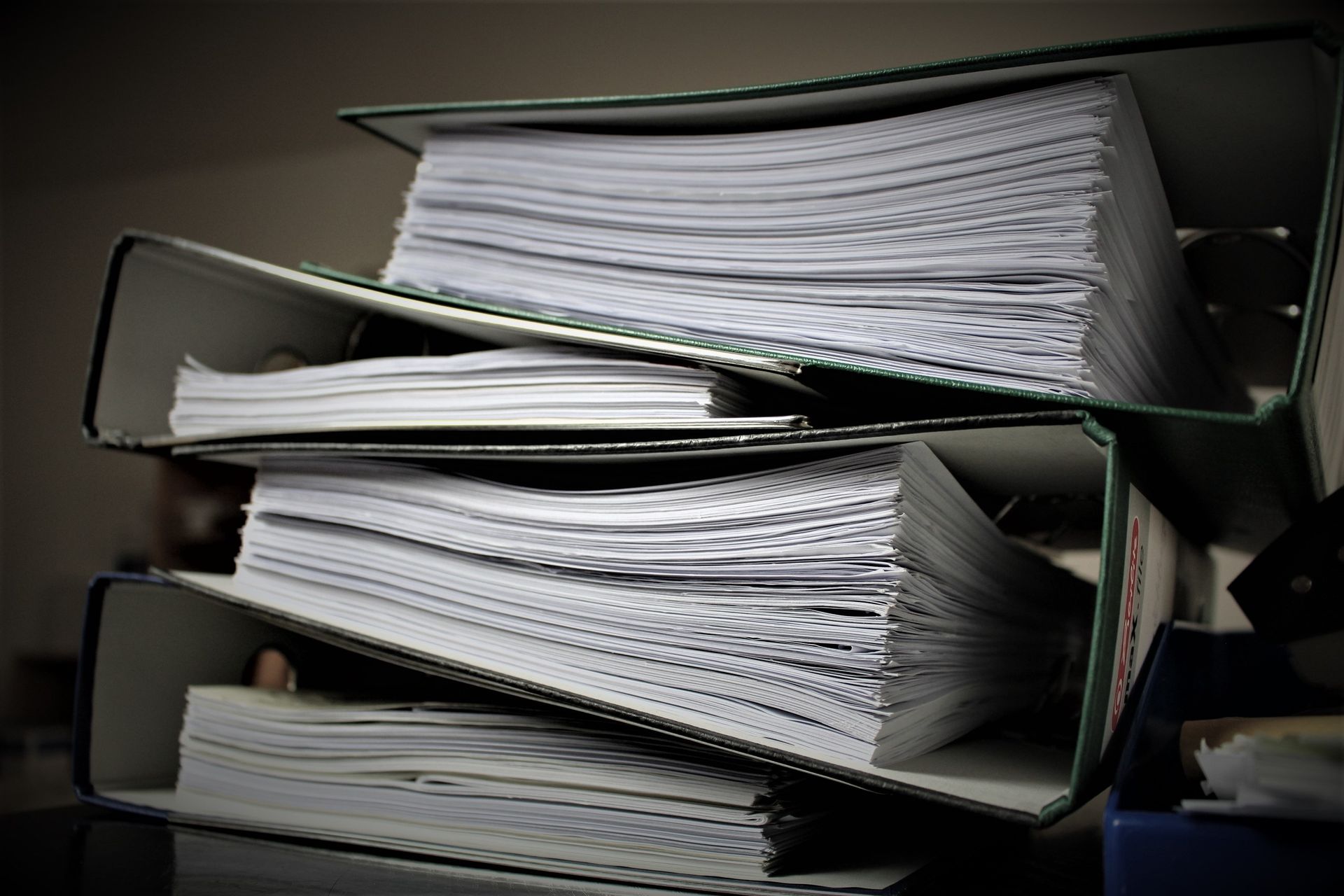
Even in a digital age, Irish businesses generate a remarkable amount of paper. Contracts, financial records, HR files and tax documentation all have to be kept, often for years, and much of it cannot simply be binned when the filing cabinet fills up. The challenge is finding somewhere secure to keep it that does not swallow valuable office space.
Secure document storage offers a sensible answer: your records stay safe, organised and accessible, while your office stays clear for the work that actually pays the bills.
The Short Version
Businesses are required to retain many records for set periods, and storing them on site eats into office space. A secure storage unit keeps archived documents safe, organised and accessible, while freeing your premises. Always confirm current retention periods with your accountant or solicitor, as requirements depend on the record type and your circumstances.
How Long Should You Keep Things?
Retention periods vary depending on the type of record and the rules that apply to your business. The table below offers a general guide to common business records, but it is not legal advice. Always check current requirements with your accountant or solicitor, as your specific obligations may differ.
| Record Type | Retain For | Why |
|---|---|---|
| Tax and accounting records | 6 years | Revenue generally expects records to be kept for six years |
| Employee records | Varies | Several years after employment ends, depending on the record |
| Company records | Long term | Statutory registers and key documents often kept indefinitely |
| Contracts and agreements | 6 years + | Typically kept for the duration plus a number of years after |
Keeping Records Safe and Sound
Paper records are vulnerable to the obvious things: fire, water, loss and unauthorised access. A proper storage facility addresses all of these with secure, alarmed units, CCTV and on-site staff. Our business storage keeps your archives in clean, dry conditions, and you control who accesses them and when.
What Businesses Typically Archive
Financial records
Invoices, receipts, payroll and tax documentation kept for the required periods.
Legal and HR files
Contracts, agreements and personnel records stored securely and confidentially.
Project archives
Completed project files and reference material that no longer need desk space.
Equipment and stock
IT hardware, signage and surplus items alongside your paperwork.
More Than Just Paper
Document storage often pairs naturally with wider business needs. If you are rethinking how your business uses space more broadly, our office solutions and virtual office services may be worth a look alongside a storage unit. With sites across Dublin, Cork, Galway, Waterford and Belfast, secure archiving is never far away.
Organisation is what turns a storage unit into a genuine asset rather than a paper dumping ground. Labelling boxes clearly, keeping an index of what is stored where, and grouping records by year or department means you can lay hands on a specific file in minutes rather than hours. A little structure at the point of storing saves a great deal of time later, especially if you are ever audited or need to respond to a request quickly.
Accessibility is the other half of the equation. Because you control access to your unit, you decide who can retrieve records and when, which matters for sensitive financial and personnel files. With 24/7 access at most facilities, you can collect a document outside business hours if you need to, then return it to secure storage just as easily.
Running out of room for your records? Get in touch and we will help you set up secure, accessible document storage that suits your business.
September 11, 2026

July 27, 2026